
Why Workplace Breaks Are Getting Longer (And What Companies Can Do About It)
Small environmental factors often influence how long employees spend away from their desks during the workday.

Introduction: Break Length Is Often Misunderstood
Many organizations assume long breaks are primarily a policy issue.
In reality, employee break behavior is often shaped by the workplace environment itself.
Small environmental factors — convenience, layout, and access to resources — can significantly influence how long employees spend away from their desks.
Understanding these patterns helps organizations reduce unnecessary disruption while improving workplace satisfaction.
The Role of Convenience
Employees naturally choose the most convenient option available to them.
If accessing refreshments or basic amenities requires leaving the building or traveling across a large facility, break times tend to extend naturally.
This is not intentional behavior — it is a predictable response to environmental friction.
Convenience often determines break duration more than formal workplace rules.
Travel Time Adds Up
A short coffee or snack break may only take a few minutes.
However, when employees must leave the workplace to access food or beverages, the timeline changes.
Typical off-site breaks include:
- walking or driving to a nearby location
- waiting in line
- returning to the workplace
What begins as a quick break can easily become a 20–30 minute interruption.
Social Break Patterns
Breaks also serve an important social function.
Employees frequently combine coffee runs with:
- informal conversations
- quick errands
- collaborative discussions
While these interactions can support team relationships, extended off-site breaks can create unexpected workflow gaps.
Workflow Disruption
Longer breaks can create subtle operational challenges.
Common issues include:
- delayed meetings
- interrupted project momentum
- staggered team availability
- slower communication response times
These effects are rarely dramatic but accumulate over time.
Environmental Design Matters
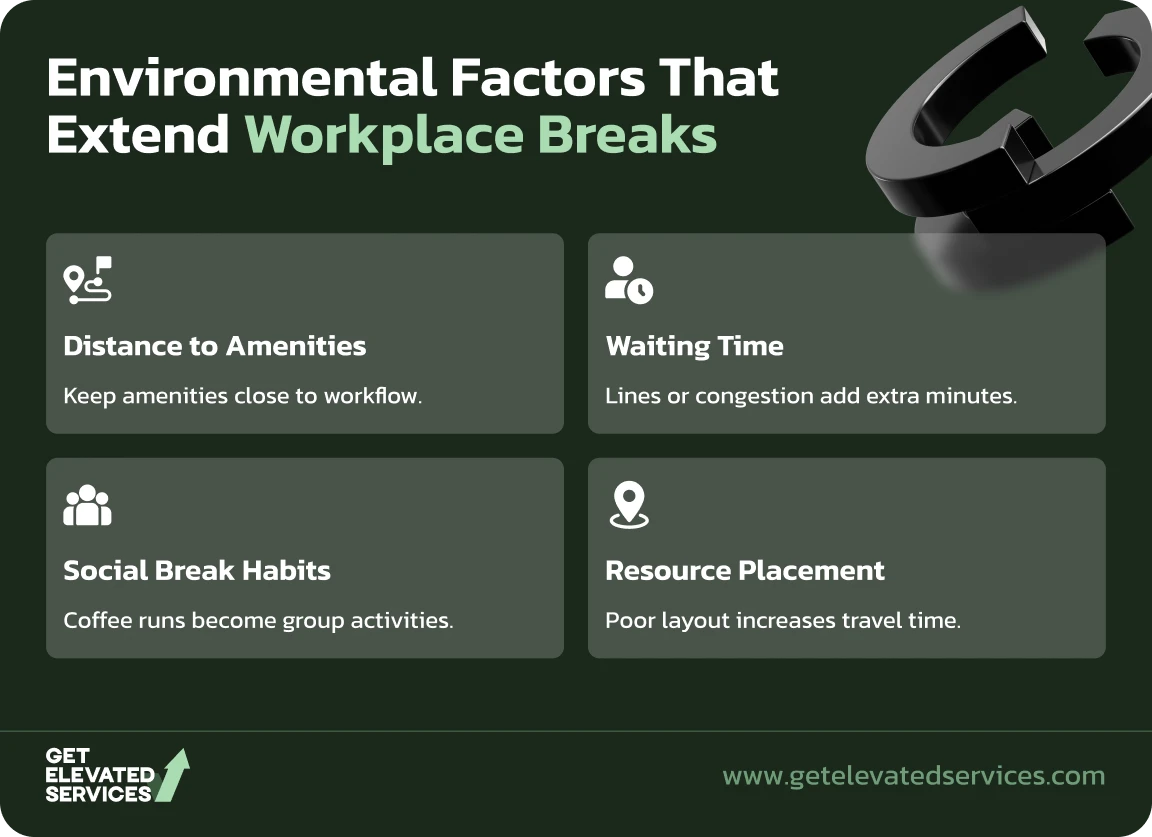
Organizations increasingly recognize that workplace design influences employee behavior.
Convenient access to refreshments, break areas, and gathering spaces often reduces unnecessary travel and keeps employees closer to their work environment.
Small improvements in accessibility can lead to noticeable changes in break patterns.
Supporting Workplace Productivity
Improving workplace convenience often leads to:
- shorter break cycles
- smoother team coordination
- increased on-site engagement
- better overall workflow consistency
Employees still take breaks, but those breaks become more predictable and less disruptive.
Conclusion
Workplace breaks are a natural and necessary part of the workday. However, the environment in which employees operate can strongly influence how long those breaks last.
By understanding the factors that shape employee routines, organizations can create environments that support both productivity and workplace satisfaction.


Other Blog Posts you Might Like
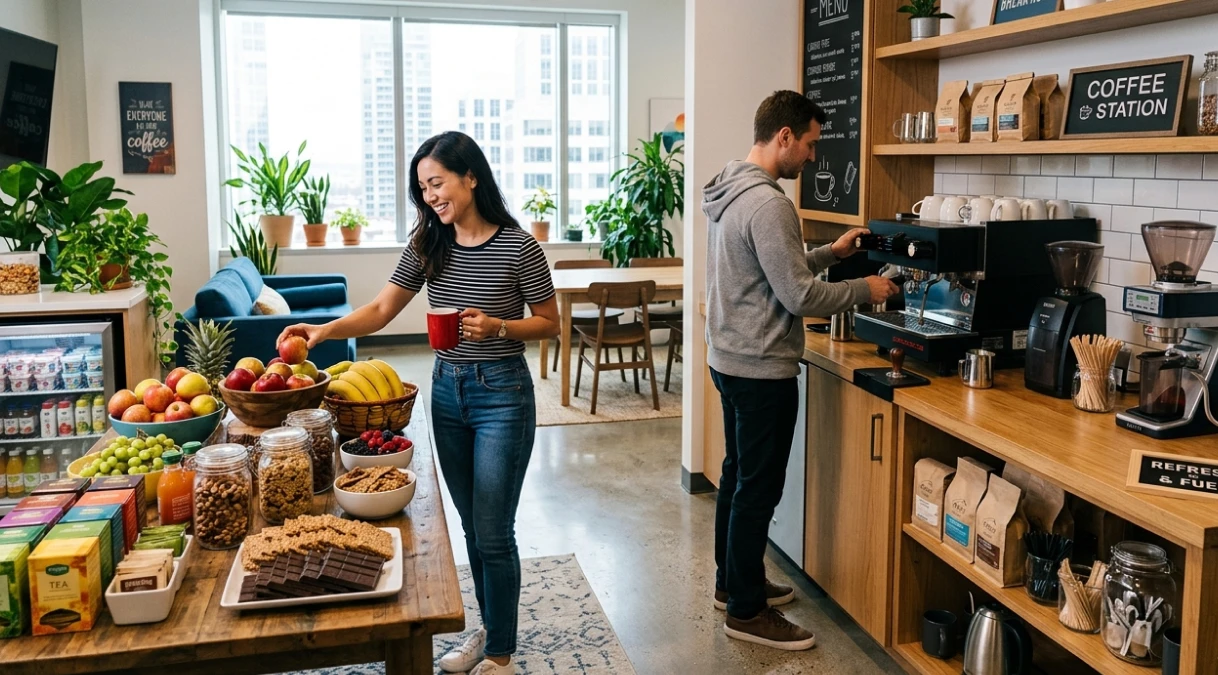
How Workplace Amenities Influence Employee Satisfaction

Why Workplace Breaks Are Getting Longer (And What Companies Can Do About It)
The Hidden Cost of Workplace Friction (And How to Reduce It)
Let’s Elevate Your Business
Whether you’re upgrading your breakroom, optimizing your vending program, or exploring new solutions - our team is here to help. Let’s connect and explore how GES can elevate your service experience.

.png)